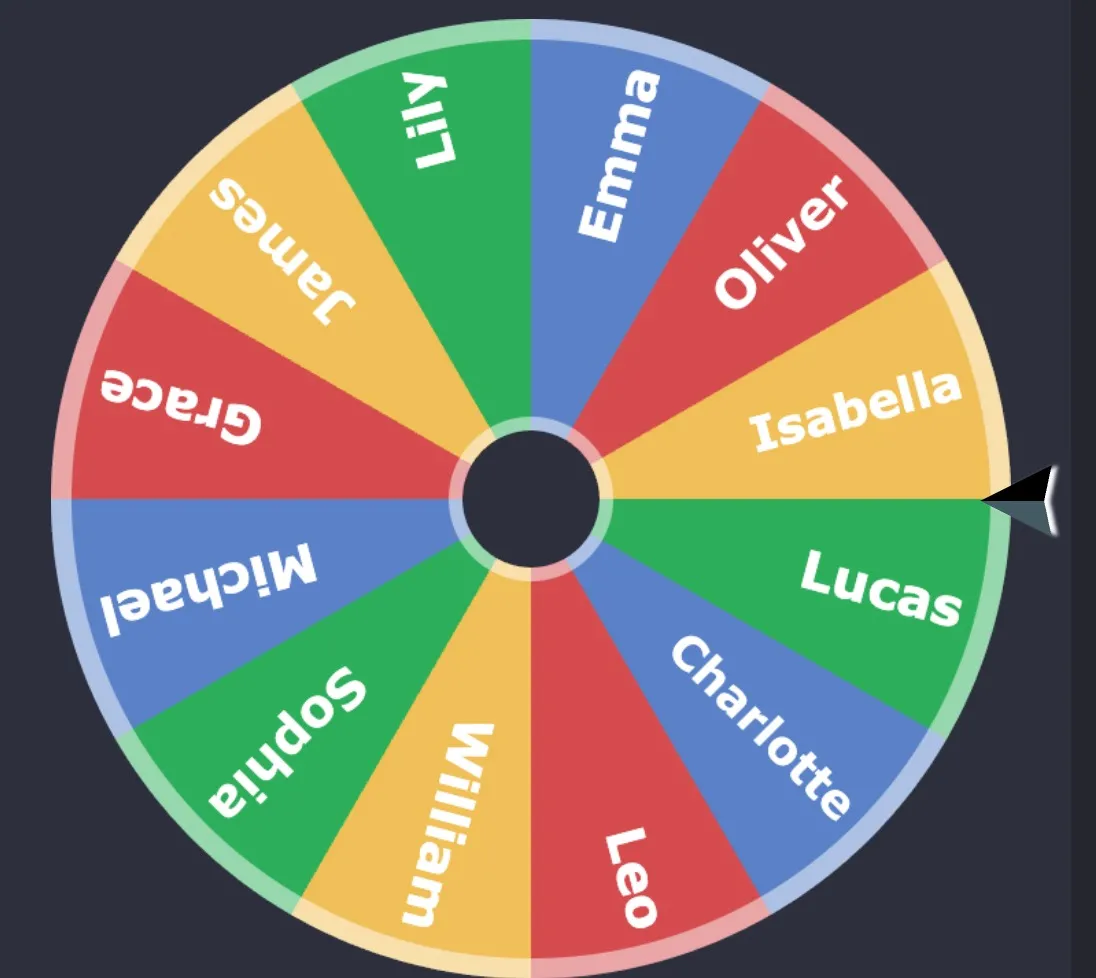
Every single day, humans confront binary choices. Whether it is deciding whether to invest in a specific marketing campaign, launch a new sub-page, or simply choose between staying in or going out for dinner, the simple dichotomy of “yes” versus “no” governs our lives. However, overanalyzing these small choices can lead to a phenomenon known as analysis paralysis, where no action is taken at all. An elegant solution to this problem is using a dedicated binary decision tool, which functions as an algorithmic coin flip to clear the path instantly.
When you need a quick, unbiased answer without overthinking, utilizing a binary tool like a yes or no decision mechanic provides immediate resolution. For those who want more control over their outcomes or wish to expand their selection pools beyond basic binary options, transitioning to an advanced interactive spin the wheel engine allows for multi-variable inputs and sophisticated randomization mechanics that adapt to any complex workflow or scenario.
Human decision-making is naturally flawed, heavily influenced by cognitive shortcuts, emotional fatigue, and sub-conscious patterns. In collaborative or managerial spaces, making an impartial choice is paramount. For example, when a team leader needs to pick a random team member for a code review or a presentation topic without creating an impression of favoritism, turning to a neutral web application like a digital wheel of names establishes absolute fairness and professional transparency.
By automating the selection process, managers can focus on evaluating performance rather than worrying about the subtle internal biases that might influence manual picking methods. This enhances trust within remote or distributed teams, where equity and objective processes are essential for sustained project success.
Strategic Application: Integrating algorithmic selection tools into agile sprints or operational meetings increases velocity by reducing time spent on administrative and structural coordination.
Expanding the Horizon: Creative and Analytical Visualizations
Decision-making isn’t just about text inputs or participant lists; it also encompasses visual and aesthetic choices that impact branding and conversion rates. When web developers or content creators are stuck choosing the dominant highlight colors for an interface or a corporate logo, relying on structural systems like an interactive color wheel helps identify complementary, triadic, or analogous color groups based on strict design principles.
Combining structural color selection with quick randomizers creates an innovative workspace environment where experimentation thrives. Instead of settling for safe, overused color palettes, creators can test unexpected design dynamics that capture user attention and boost click-through rates across target markets.